Small changes can make a big difference
Keeping animals healthy is one of the best ways to reduce the need for antibiotics.
Below are a few reminders of practical ways to protect your animals. These small, low-cost changes can make a big difference.
Here are five practical ways to protect your animals:
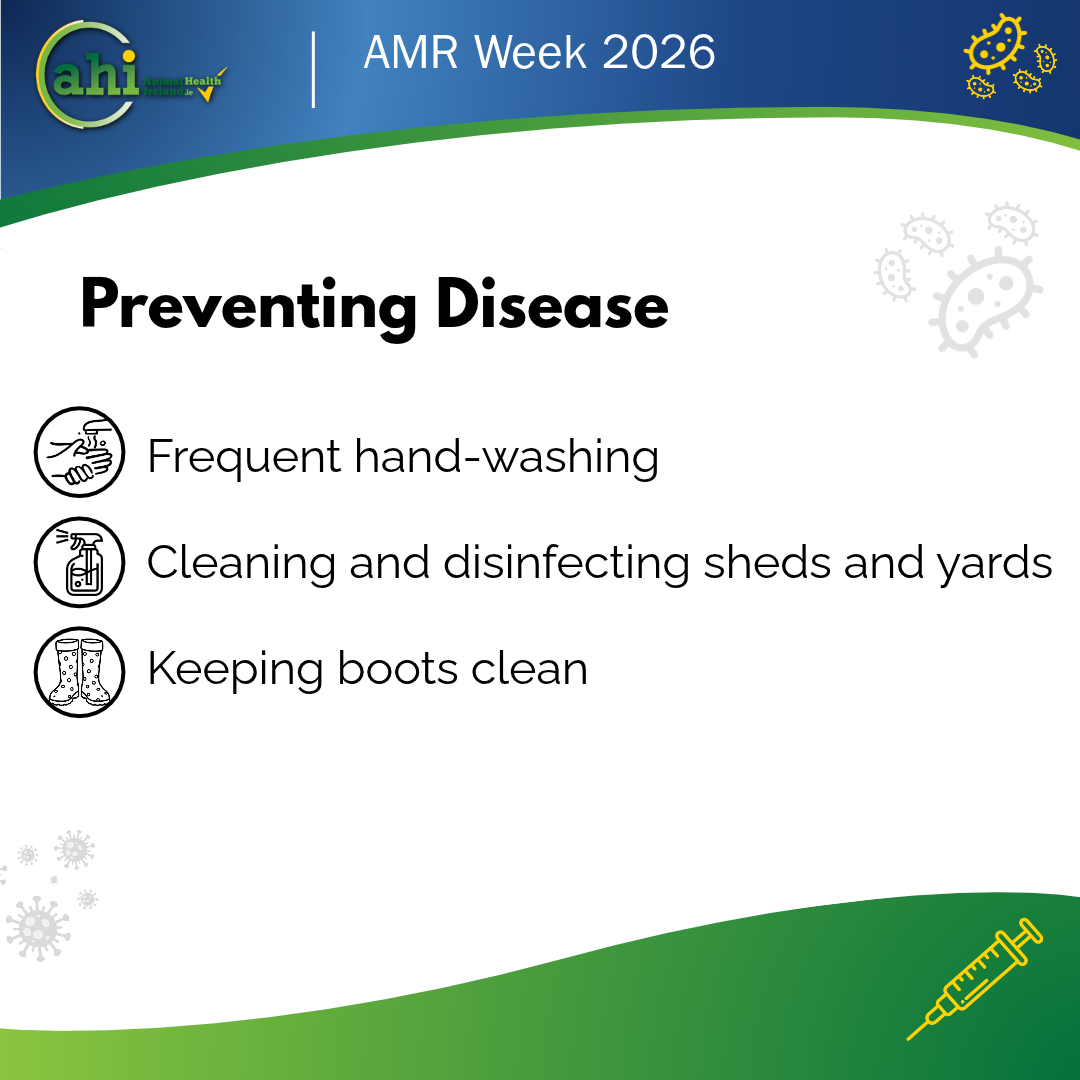
- Keep Disease Out
Know the health status of animals before buying, isolate new arrivals and keep equipment and footwear clean. - Stop Disease Spreading
Separate sick animals, keep housing clean and dry, and watch for early signs of illness. - Prevent Disease Before It Starts
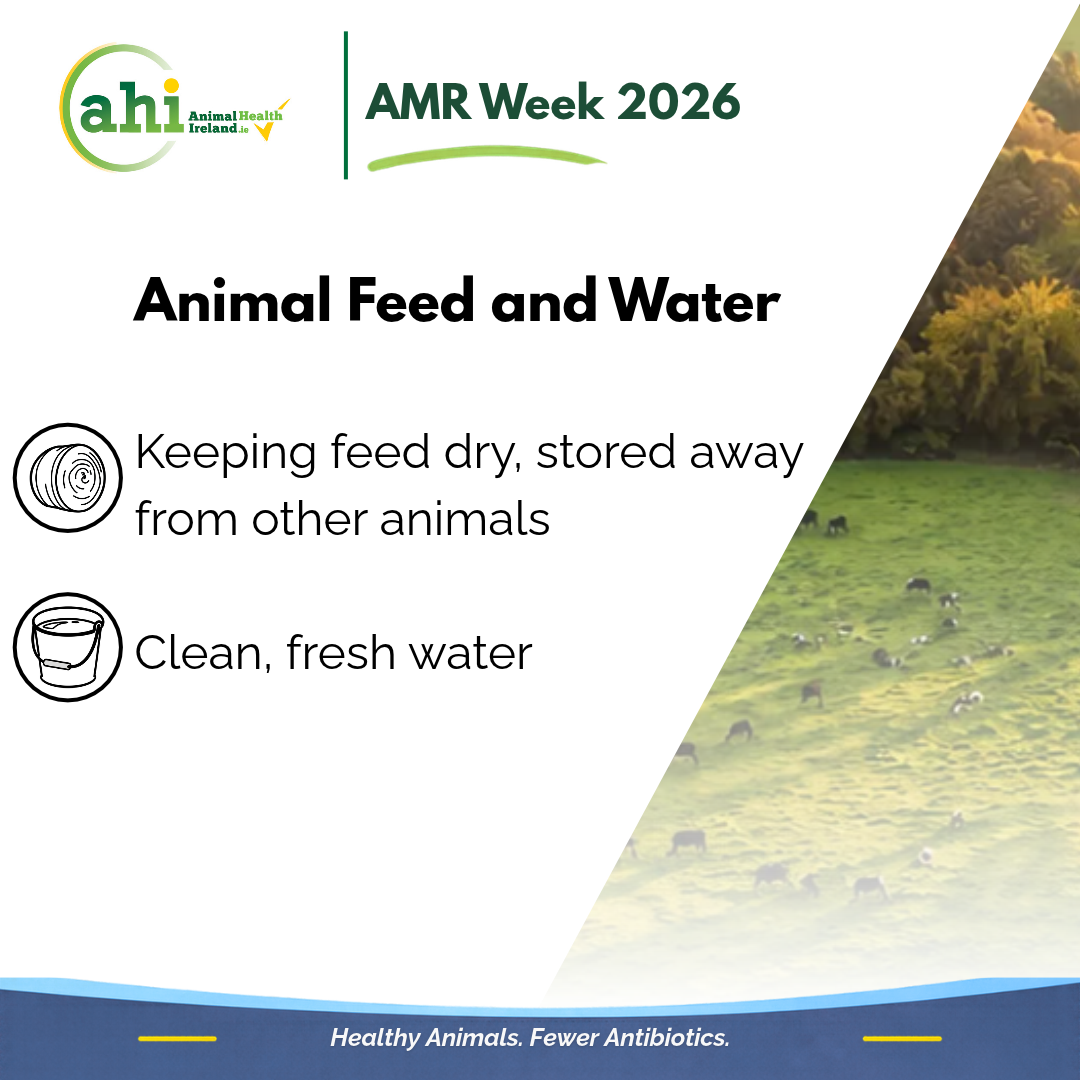
Provide good nutrition, clean water and suitable housing. Work with your vet on vaccination and parasite control. - Use Antibiotics Only When Needed
Follow your vet’s advice and treatment instructions. Remember: as little as possible, but as much as necessary. - Work With Your Vet
Review recurring health problems and identify practical ways to prevent disease on your farm.
Small changes today can mean healthier animals and fewer treatments tomorrow.
Residue Versus Resistance
Antibiotic residue is not the same as resistance, but antibiotic resistance can come from residue.
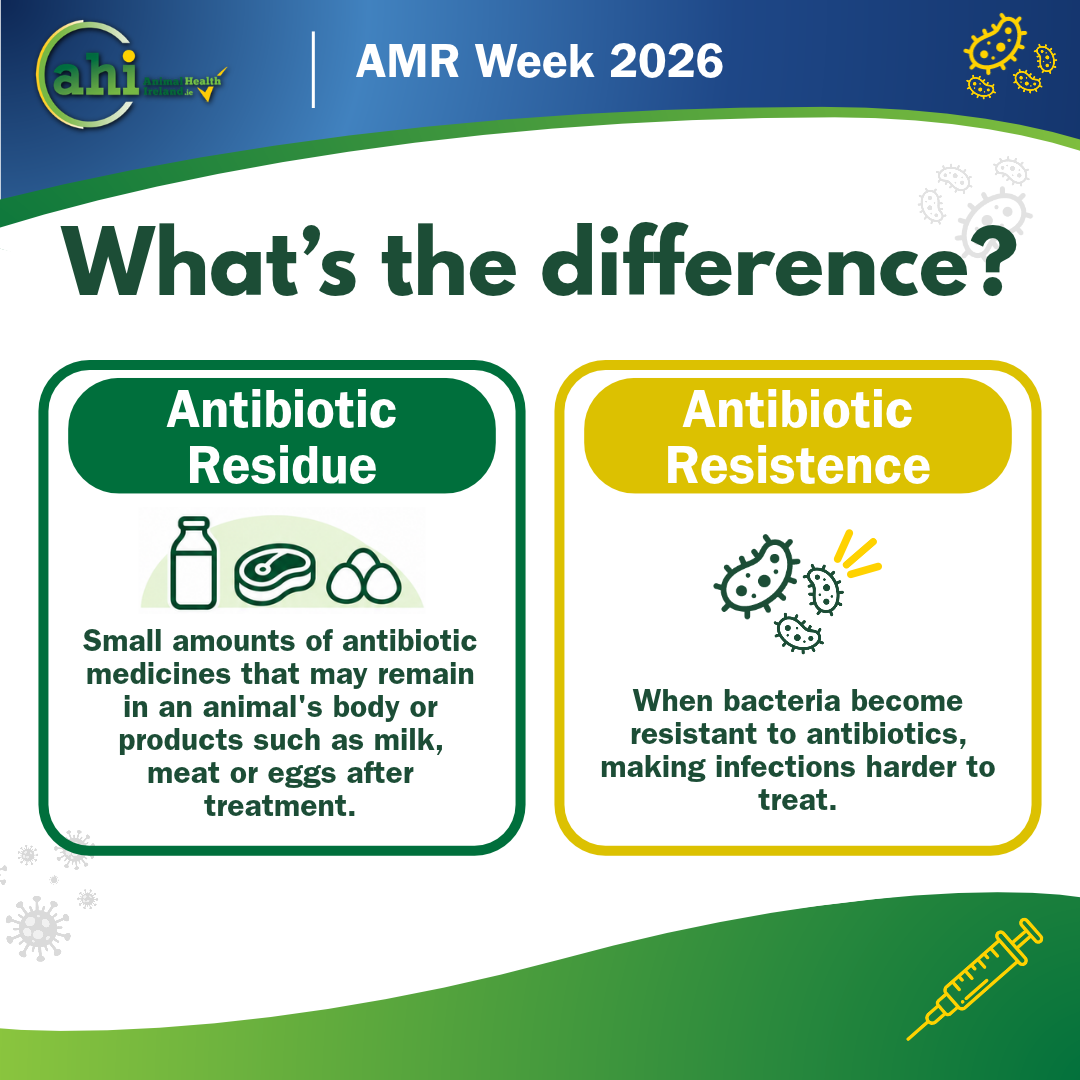
Antibiotic residues are small amounts of antibiotic medicines that may remain in an animal’s body or products such as milk, meat or eggs after treatment.
Antibiotic resistance happens when bacteria become resistant to antibiotics, making infections harder to treat.
Why are withdrawal periods important?
Withdrawal periods allow antibiotic residues to fall to safe levels before milk, meat or eggs enter the food chain, i.e. how long after the last dose of an animal’s treatment that you must wait before you can send that animal to slaughter or sell anything made by that animal. Withdrawal periods can vary for different medications as it depends on how long it takes for the animal to fully process the drug, so you should always check the instructions of any medication you are using or speak to your vet.
Farmers already play an important role in protecting food safety by:
- Keeping milk from treated cows out of the bulk tank during the withdrawal period
- Not sending treated animals to slaughter until the withdrawal period has passed
- Keeping eggs from treated hens out of the food chain during the withdrawal period
Following withdrawal periods protects consumers and helps maintain confidence in Irish food production.
Healthy Animals. Fewer Antibiotics.
Farmers across Ireland are already taking practical steps to prevent disease and protect animal health.
From improving housing and vaccination programmes to strengthening biosecurity, small changes can help reduce disease, improve farm productivity and keep antibiotics working when they’re needed.
Talk to your vet about the steps you can take on your farm.
Rights of Antibiotic Use
When using antibiotics, remember, “as little as possible and as much as necessary” – the 5 rights should be applied:
- Right animal – only animals that are showing clinical signs should be treated.
- Right veterinary medicine – correct medicine prescribed by a veterinary practitioner.
- Right dose – based on an accurate body weight estimate.
- Right duration – complete the recommended course of antibiotics, giving the full course.
- Right disposal – if medicines are not disposed of properly it will encourage the development of resistant
bacteria in the environment.
Additional Resources
Purchasing Stock: Reducing Disease Risks
Managing an Infectious Disease Outbreak
Cattle Vaccination Information Leaflet
Understanding Infectious Diseases
Biosecurity Code of Practice for Indoor Pigs
Code of Good Practice Regarding the Responsible Use of Antimicrobials on Pig Farms
Your Questions Answered
How can I keep my animals healthy while reducing my antibiotic use?
Prevention is better than cure. Good hygiene (hand washing, boot dips), vaccination, biosecurity and animal management can all help reduce the risk of disease and the need for antibiotics.
What do I do if my animals really need antibiotics?
Sick animals need to be treated, and antibiotics remain essential for treating bacterial infections when required.
The important message is to use as little as possible, but as much as necessary.
If you have a disease concern, talk to your vet about how best to tackle your individual situation.
Can’t I just use stronger antibiotics?
Antibiotics aren’t simply stronger or weaker than one another. Different antibiotics work against different types of bacteria.
Sometimes, an antibiotic that previously worked may no longer be effective because the bacteria have become resistant to it.
Using a different antibiotic isn’t always the answer. Your vet can help identify the cause of an infection and choose the most appropriate treatment.
Disease prevention is key, and everything you do on your farm to protect against, and control disease is helping fight against resistance to antibiotics.
Is antibiotic resistance really an issue? I don’t use antibiotics much on my farm.
Bacteria that are resistant to antibiotics can spread between animals, farms, people and the environment. A big concern with antibiotic resistance is if your animals get sick and treatment doesn’t work. This costs you money for wasted treatments and potentially culling animals, and the bacteria causing the disease could spread to more of your animals and even potentially to you or other people.
Even if you rarely use antibiotics, preventing disease and maintaining good biosecurity remain important.